Pablo’s Apartment — Tel Aviv
1. The unresolved moment
The apartment was temporary.
Rented. Functional. Easily ignored.
And yet the person living inside it wasn’t.
After years of movement, stages, hotels, and studios, the space didn’t need to impress — but it did need to recognize who was living there. What was missing wasn’t comfort or style. It was alignment.
The apartment didn’t reflect the life it was holding.
2. The constraint
Nothing structural could change.
No walls moved.
No rebuilding.
The time frame was equally fixed: one week.
This wasn’t about permanence or resale value. It was about transformation without footprint — working entirely within an existing, rented apartment in Tel Aviv.
The space had to change without looking like it tried too hard.
3. The decision
The project narrowed to one clear decision:
Design the apartment around the person — not the lease.
That meant accepting the temporary nature of the space and refusing to let it dilute identity. The goal wasn’t to “upgrade” the apartment, but to let it carry presence — immediately.
4. The reasoning
The obvious approach would have been light, neutral, reversible.
Safe choices. Minimal intervention.
That path was rejected.
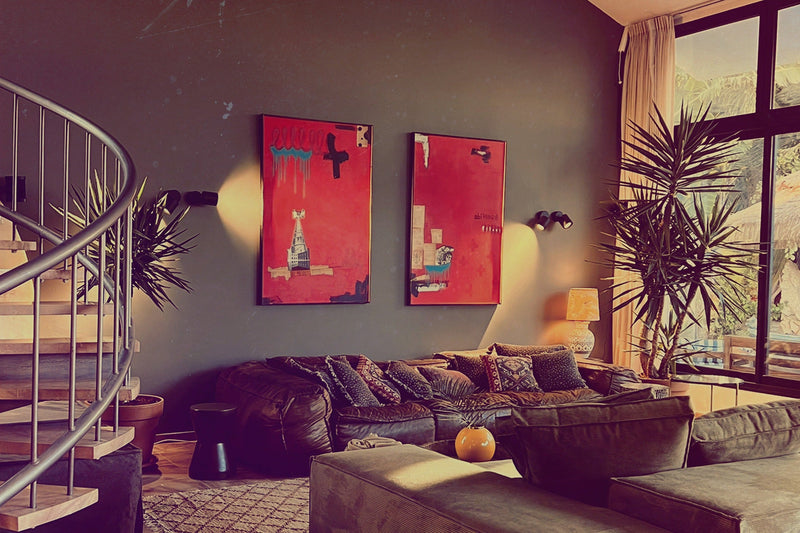
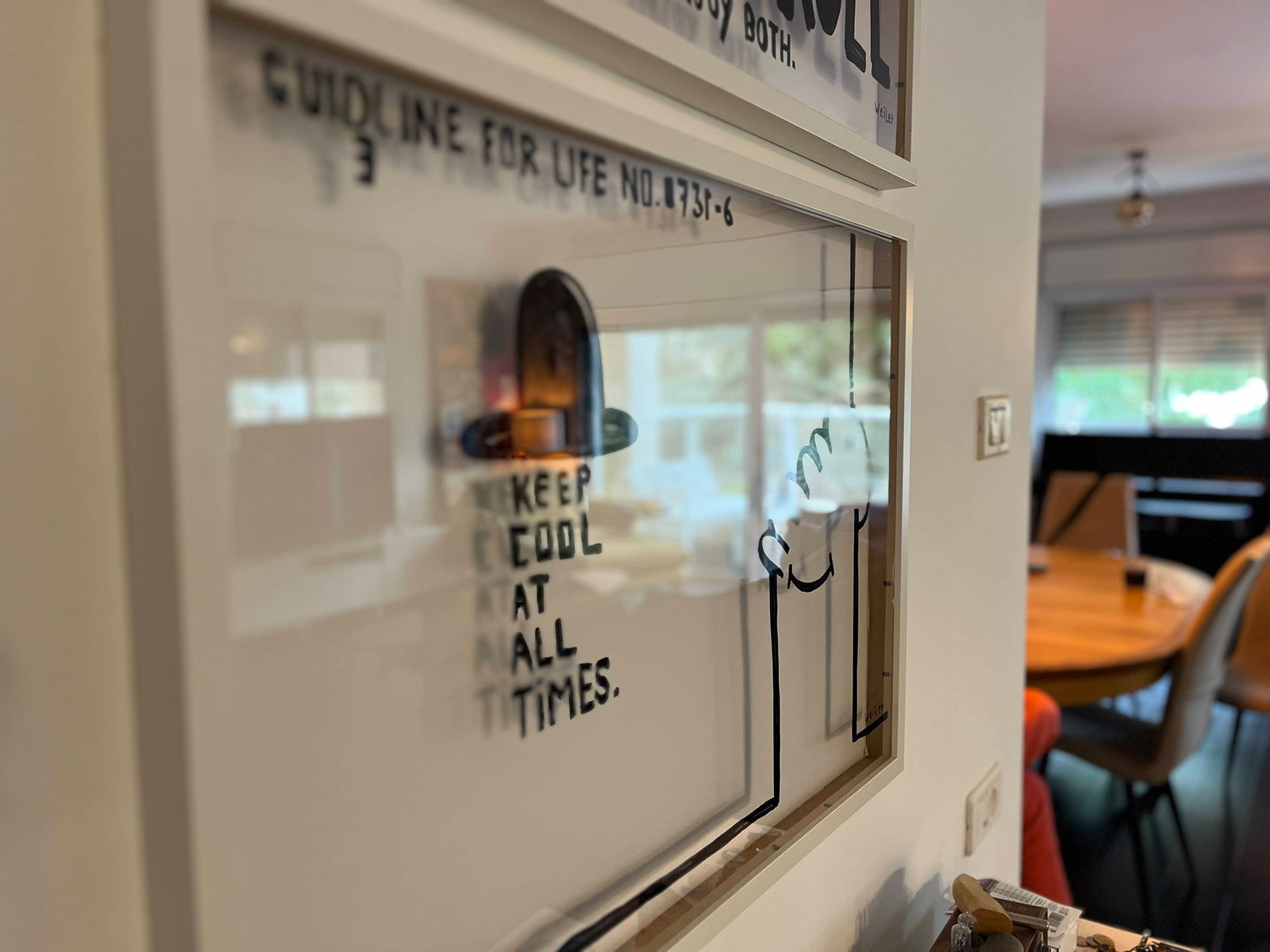
Instead, the work leaned into character: a black floor to ground the space, original artworks to anchor it emotionally, painted furniture to remove neutrality, and custom light pieces to define atmosphere rather than layout. Bathrooms and living areas were reworked not for luxury, but for coherence.
Nothing was precious.
Everything was intentional.
Speed wasn’t a compromise — it was part of the clarity.
5. Reflection
Some spaces aren’t meant to last.
That doesn’t mean they should feel anonymous.
When a place reflects the person inside it — even briefly — it stops being temporary. It becomes lived.
This apartment didn’t pretend to be forever.
It simply became true — fast.